Home Warranty With No Waiting Period: 2026 Comparison Guide
Written by
Editorial Team
Research and editorial staff
Dates
Published
Last updated
What changed: Aligned the guide with ranking queries, added a comparison framework and intent-specific answers, and separated no-waiting-period shopping from the general waiting-period explainer.
Checked by our editors.How we estimate repair costsEditorial policy
Sources
- American Home Shield plans — American Home Shield
- First American Home Warranty — First American Home Warranty
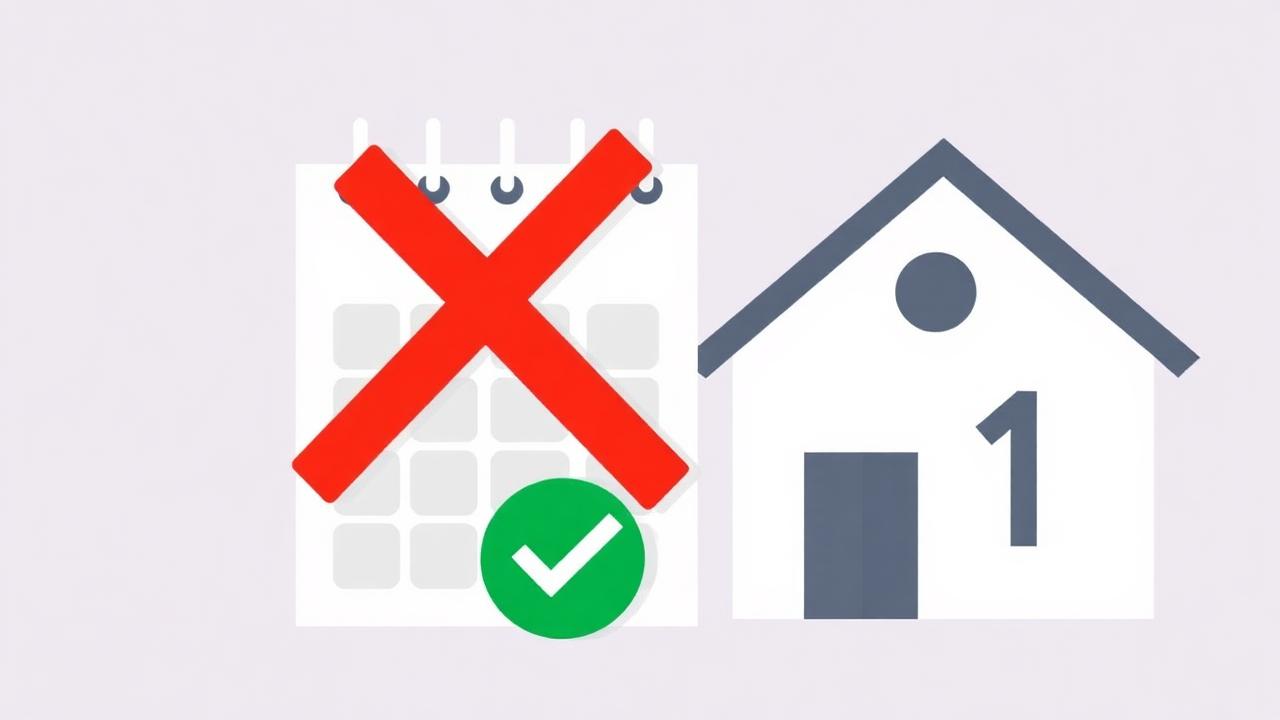
People searching for a home warranty with no waiting period are usually trying to solve a timing problem: a closing is approaching, prior coverage is ending, or they want protection to begin without a standard delay. The phrase sounds simple, but providers can use it for several different arrangements.
It may describe a real-estate plan that begins at closing, a continuation from documented prior coverage, a promotion, an inspection-based exception, or a contract with an early effective date. It does not necessarily mean every appliance and system is eligible the moment payment is submitted.
This page is the shopping and comparison guide for no-waiting-period offers. For a broader explanation of how standard delays and effective dates work, see Home Warranty Waiting Period Explained.
No waiting period versus immediate service
Separate these three concepts:
| Term | Question to verify |
|---|---|
| Coverage effective date | On what exact date and time can a new eligible failure occur? |
| Claim-request availability | When may the contract holder open a service request? |
| Technician response | When can an authorized local provider actually inspect the item? |
A contract can be active while local service is unavailable. Likewise, the ability to submit a request does not guarantee approval, same-day diagnosis, parts availability, or immediate repair.
Types of no-waiting-period offers
Real-estate transaction coverage
Buyer, seller, listing, and closing products may use timing rules that differ from direct consumer plans. Coverage might begin at listing, closing, payment, transfer, provider confirmation, or another stated event.
Confirm the property, contract holder, plan, payer, transaction date, and effective date. Ask what happens if closing is delayed, canceled, or recorded after the expected date.
Continuous prior coverage
A provider may consider an exception when another eligible contract ends without a gap. It may request the prior declarations page, agreement, payment record, expiration notice, property address, or contract number.
Do not cancel existing coverage until the new provider confirms acceptance. A continuity exception changes timing; it does not make a problem that already started eligible.
Inspection or condition documentation
Some offers may depend on an inspection, maintenance record, or proof that covered equipment was operating. Confirm who may perform the inspection, its required scope, acceptable age, form, deadline, and cost.
An inspection records observable condition at one point. It cannot guarantee that a hidden fault does not exist.
Promotion or negotiated exception
A sales promotion may use phrases such as “coverage starts today” or “no waiting period.” Save the full terms and ask whether the offer changes only the effective date or also affects items, add-ons, limits, cancellation, and renewal.
A verbal statement is not enough. Request the issued agreement or written endorsement.
How to compare home warranty companies with no waiting period
Use the same worksheet for every provider:
- Exact plan and state-specific agreement
- Quote date and property address
- Purchase and payment date
- Contract issue date
- Coverage effective date
- Waiting-period language
- Exception requirements
- Covered systems, appliances, and add-ons
- Known or detectable-condition language
- Service fee and coverage limits
- Local contractor availability
- Cancellation and renewal rules
Do not rank companies from an advertisement alone. The strongest option is the current written agreement that fits the property after timing, coverage, limits, service access, and total cost are considered together.
Verify every important date
Record the quote, enrollment, payment, issue, effective, add-on, expiration, renewal, and cancellation dates. These dates can differ.
Ask the provider to identify the governing clause and state the effective date in writing. If an exception applies, request confirmation that names the property, plan, qualifying reason, and date.
If an optional item is added later, determine whether that item has a separate waiting period or effective date.
Existing problems remain a major exclusion risk
“No waiting period” does not mean “buy after the breakdown.” Review definitions of known, unknown, pre-existing, and detectable conditions.
Keep inspection reports, seller disclosures, maintenance records, photographs, prior invoices, and honest symptom dates. If an appliance or system is already malfunctioning, obtain a direct diagnosis and repair estimate rather than assuming a newly purchased contract will pay.
Concealing or changing the history can create a claim dispute and does not change the actual condition date.
Compare the covered items, not only timing
An early effective date has little value if the plan excludes the equipment or component you care about. Check heating, cooling, plumbing, electrical, water heating, refrigeration, laundry, dishwashing, cooking equipment, and any specialty systems separately.
Review quantities and locations. A second refrigerator, additional HVAC unit, detached structure, pool, well pump, septic system, or specialty appliance may require an add-on or may not qualify.
Review coverage limits
Identify per-component, per-item, per-event, annual, and aggregate limits. Ask whether diagnosis, labor, parts, refrigerant, shipping, access, tax, and earlier claims reduce the maximum.
Compare the usable benefit with current local repair and installed-replacement exposure. An immediate effective date does not compensate for a limit that leaves most of the expected project uncovered.
Compare service fees and total cost
Record the premium, enrollment charges, add-ons, billing schedule, service fee, repeat-visit rules, denied-diagnosis charges, and renewal terms.
Test several scenarios:
- No service requests
- One eligible appliance repair
- One eligible HVAC repair
- A denied diagnosis
- Multiple visits for one symptom
- A repair above the limit
- Replacement or cash settlement
The lowest advertised premium or shortest delay is not automatically the lowest total cost.
Check local service before buying
Ask whether authorized technicians serve the property and equipment type. This is especially important for rural addresses, boilers, mini-splits, built-in appliances, specialty brands, pools, wells, and septic equipment.
Confirm what the contract permits when no network provider accepts the request. Determine whether outside service requires written authorization and how reimbursement is calculated.
Understand authorization
Learn how to request service before an emergency occurs. Record the required phone number, website, or app; who selects the contractor; when the fee is due; and whether emergency or outside work can be authorized.
Hiring a contractor independently can affect eligibility. For immediate safety concerns—gas odor, smoke, electrical danger, flooding, overheating, refrigerant concerns, or injury risk—follow emergency guidance first and document the response.
Real-estate buyers should verify closing documents
When a plan is connected with a home purchase, compare the purchase agreement, provider order, closing statement, payment record, and issued contract. Confirm who selected the plan and who pays upgrades or costs above a seller contribution.
A closing credit is not the same as an active contract. Obtain the contract number, effective date, plan name, claim instructions, and buyer contact details.
See Home Warranty at Closing for the transaction checklist.
Questions to ask before purchase
- What exact date and time does coverage begin?
- Why does this contract qualify for no waiting period?
- What proof is required?
- Does the exception apply to every covered item and add-on?
- How are existing or detectable conditions defined?
- Can service be requested on the effective date?
- Are authorized technicians available locally?
- What fee applies to denied or repeat visits?
- What are the important limits and exclusions?
- Does the exception continue at renewal?
Save the answers with the agreement.
Warning signs
Pause when the provider or seller will not supply the full contract, will not identify an effective date, promises coverage for an already failing item, describes a verbal waiver without documentation, or cannot explain local service.
Also question an offer that highlights immediate coverage but hides service fees, item limits, cancellation terms, or add-on dates.
If a failure occurs near the effective date
Protect people and property first. Record when symptoms began, what was observed, and what mitigation was performed. Contact the administrator and describe facts without guessing the failed component.
If the request is denied based on timing, obtain the written decision, effective-date clause, technician report, and evidence used. Follow the contract’s appeal method and deadline.
Final comparison
A no-waiting-period home warranty may be useful when the early effective date is documented and the plan also offers relevant coverage, workable limits, acceptable fees, local service, and clear authorization.
Do not select a plan solely because it appears to begin sooner. Compare the complete contract and save written proof of any exception.
Related articles
- Home Warranty Waiting Period Explained
- Home Warranty at Closing
- Why Home Warranty Claims Get Denied
- Best Home Warranty for Older Homes
Disclosure: This article is informational. The site may earn a commission from eligible links at no additional cost to the reader. Commercial relationships do not determine the guidance.
Frequently asked questions
Related guides

Does a Home Warranty Cover Roof Leaks? 2026 Guide
Learn when a home warranty may offer limited roof-leak coverage, what materials and causes can be excluded, and how warranties differ from homeowners insurance.
Home Warranty Plumbing Stoppage Coverage: What to Verify
Learn how home-warranty plumbing-stoppage coverage can depend on line location, cause, access, cleanouts, exclusions, limits, and authorization.
Home Warranty Refrigerant Coverage: What to Verify
Learn how home-warranty refrigerant coverage can differ for leak detection, repair, recovery, recharge, limits, obsolete products, and HVAC replacement work.
Disclaimer: Pricing reflects US national averages as of the publication date and varies by region, brand, and labor rates. This article is informational and does not replace professional inspection or repair advice. See our full disclaimer.